admin
admin 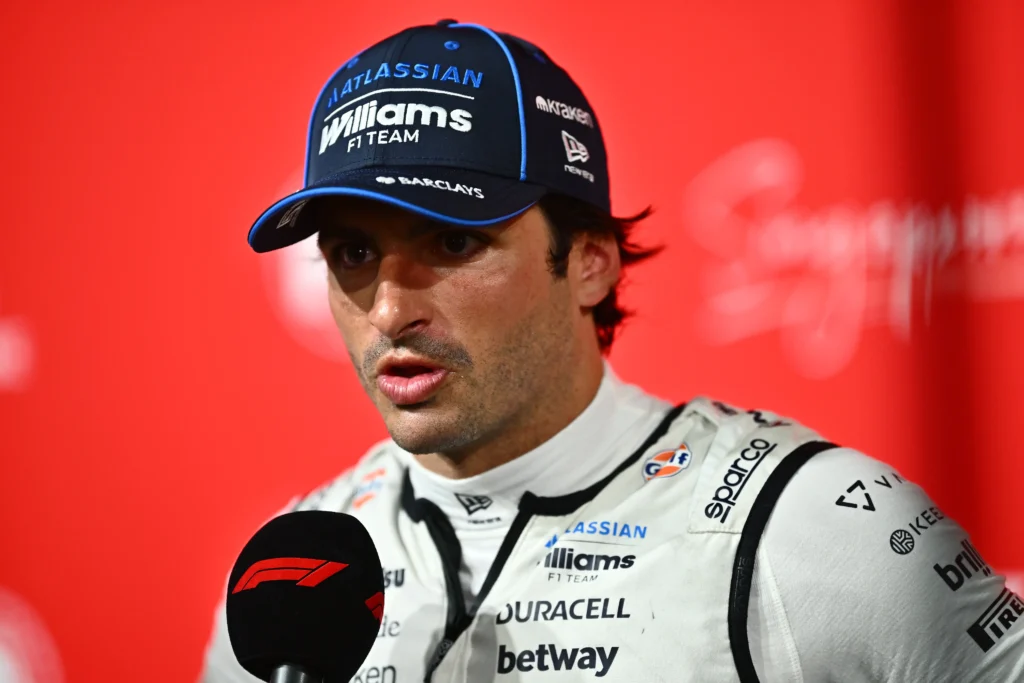
Just days after a controversial software issue in Malaysia, another tech-related problem created chaos on Friday in Singapore.
The sixth and final Sprint Qualifying session of 2026 saw two bugs emerge after the red flag in SQ1. The first error was a glitch with the timing towers, which meant some drivers’ lap times were not registered at the end of the session.
However, this was resolved relatively quickly as the FIA corrected the timing sheets ahead of SQ2.
What did not get rectified was a separate issue, which saw the FIA enable ‘overtake mode’ for just 27 seconds at the end of the session – meaning some drivers benefited from additional energy whilst other did not.
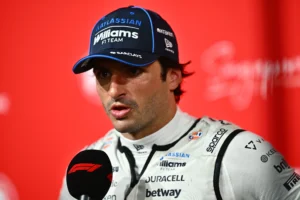
Speaking after the session, Carlos Sainz made his perspective on these events clear.
Sainz gives blunt verdict in Singapore
The 2026 regulations have generated plenty of controversy since making their debut in Australia, with even pre-season testing creating headlines and speculation in abundance.
Still, the last seven days have been particularly critical for the discussion about this generation of cars.
In two consecutive weekends, software-related issues have created chaotic situations for the FIA to try and resolve.
After receiving some criticism for their handling of what happened in Malaysia, the FIA were the subject of Carlos Sainz’s analysis after Sprint Qualifying in Malaysia:
“We unfortunately had a really poor lap there, we only got one lap. We had some issues with the brakes in FP1, we had to change them.
“But we were having some brake issues still, and had a few lock-ups, struggling a lot with that and the tyres.
“But on top of that, half of the cars did a lap with half a second quicker engine than the others. There was another software issue with the cars, and this time we were on the bad end of it.
“For some reason the FIA, like in Malaysia, did not decide to do sporting equity, and were happy to do half of the cars in qualifying with higher power than the other half of the cars.
“So a bit confused why the sport keeps doing different things, depending on who is out on Q1 or who is out on lap 1.”

A familiar scenario for Williams
In theory, the events of SQ1 gave some drivers an unfair advantage over others. Depending on when drivers were completing laps, they could have either benefited or missed out from the 27 seconds of overtake mode being enabled.
This is why some, such as Sainz, argue the result from SQ1 was not in line with the sporting fairness that Formula 1 strives for.
Ultimately, since it was generally the usual suspects who were eliminated, no protests have been lodged. As Sainz eluded to, perhaps a more strong reaction would have been triggered if a front-runner were knocked out because of this problem.
In any case, this is a situation the FIA will want to avoid. Over time, these kinds of issues should become less common as the 2026 regulations become more understood.
Still, it cannot be said that these incidents are glowing endorsements for this new era of Formula 1.
Featured image: Atlassian Williams F1 Media – James Sutton/LAT Images